

I published a piece in Foreign Policy last week on a question that kept coming up in conversations with policymakers, editors, and colleagues: why haven’t the Houthis fired? And I’ll be honest, at first I thought the answer was obvious. But the more I talked to people, the more I realized that the gap between what the Houthis promise and what they can actually do wasn’t as visible from the outside. So, having watched them closely, I wrote this piece based on their existing political structure, governance, and capacity, not on guesswork about their intentions.
On paper, you’d expect the Houthis to deliver. This is a movement that spent two years as the most visible face of the Axis of Resistance. They disrupted global shipping. They launched ballistic missiles at Israel. They staked their entire brand on one promise: if Iran is hit, we strike. Iran has been under bombardment for over a week. The Houthis held rallies.
The full piece is here.
Much of the analysis I’ve seen treats this as a question of willingness, offering scenarios and hedging between them. Some of it gets into command-and-control speculation, mapping how the Houthis take orders from the IRGC with a confidence I don’t think anyone outside that chain can really claim. But I think what’s really important is to trace what we know and what we see. And this is what we have meticulously documented.
The Houthis have watched their leadership get decapitated by Israeli strikes. Their supply pipeline from Iran is choked. Through July 2025, 38 percent of their ballistic missiles failed outright. U.S. Central Command seized over 750 tons of Iranian-origin weapons in a single interdiction. Their most advanced systems require external components, and with Iran itself burning, there is no resupply coming.
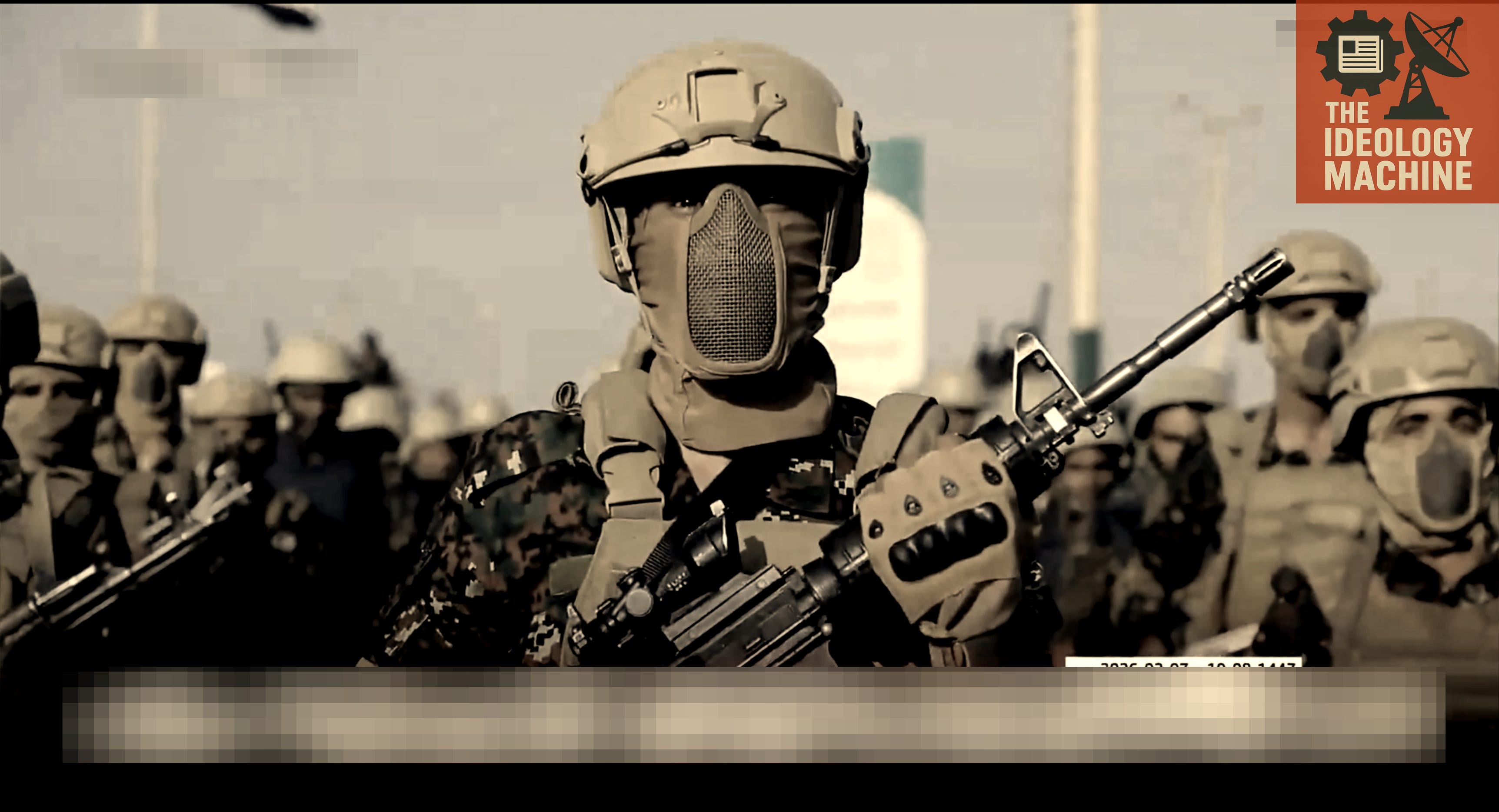
So what are they doing instead? Building a ground army. Over the past several months, military training courses branded as “Al-Aqsa Flood” programs have been running across every governorate in northern Yemen. Ministries, universities, hospitals, telecom companies, etc. This is not a missile force. It is infantry. The rhetoric points seaward. The mobilization points landward. We covered this extensively in the Red Death article.
There’s another dimension that I think has been largely missed. During the Red